Cat Walking SVG Clipart Review
As a designer who has spent years turning digital files into tangible, stitched masterpieces, I approach every new asset with a mix of excitement and skepticism. When Cat Walking SVG Clipart landed on my desk, I didn't just see a cute image; I saw a potential bestseller for a boutique shop or a heartfelt personalized gift. However, the difference between a good digital file and a successful finished product lies in the execution. This review breaks down exactly how this design performs when moved from the screen to the hoop, offering practical insights for embroidery designers, small business owners, and crafters looking to elevate their handmade offerings.
The First Impression: Mood and Visual Personality
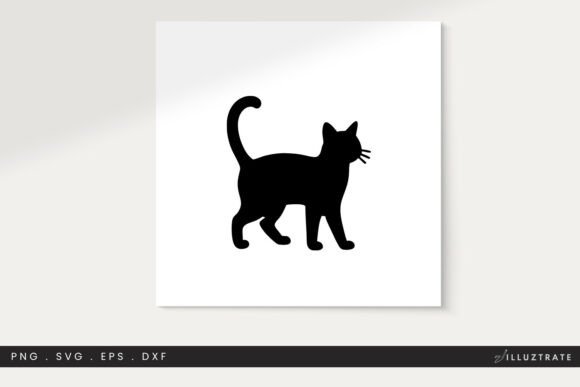
Upon opening the file, the immediate feeling is one of playful movement. The silhouette captures a cat mid-stride, creating a sense of forward momentum that feels far more dynamic than a static sitting pose. For an embroidery project, this kinetic energy is crucial. It suggests a narrative, as if the feline is leading you somewhere, which adds emotional weight to the final piece. The layout is clean, avoiding unnecessary clutter that often plagues complex vector graphics. This simplicity is a hallmark of a well-thought-out embroidery design, ensuring that the machine can interpret the lines without getting bogged down in confusion.
The theme naturally fits into categories like Graphics within the broader Crafts sector, but its true value shines in personalization. Whether you are designing for a nursery, a home office, or a pet lover's wardrobe, the mood is universally appealing. It strikes a balance between whimsical and professional, making it suitable for both a child's onesie and a high-end apron for a local bakery. The visual personality is distinct enough to stand alone but simple enough to be integrated into larger compositions.
Real-World Application: From Screen to Stitch
To truly understand the utility of Cat Walking SVG Clipart, we must look at how it translates to physical products. Imagine preparing a custom embroidered tote bag for a local artisan market. The walking cat motif works beautifully here because the design has a horizontal flow that aligns perfectly with the long axis of a tote. When stitched onto canvas or heavy cotton, the movement of the cat guides the eye across the bag, creating a focal point that doesn't feel overwhelming.
I also envision this design thriving on baby items. A sweatshirt embroidery project featuring this cat could become a cherished holiday gift. The soft curves of the cat's back and tail translate well to fill stitches, providing a plush texture that contrasts nicely with the smooth fabric of a fleece hoodie. For an Etsy seller, this versatility is gold. You aren't limited to one niche; the same file can be adapted for a kitchen towel, a pillow cover, or even a patch for a denim jacket. The key is understanding that the design's strength lies in its adaptability to various garment types and accessories.
When used for commercial embroidery projects, such as branding for a pet supply store, the design offers a level of professionalism that generic clip art lacks. Customers notice the details. They appreciate that the stitching follows the natural contours of the animal rather than forcing rigid geometric shapes. This attention to detail builds customer trust and enhances the perceived value of your handmade product. A well-executed embroidery file tells the buyer that care was taken in the creation process, which is essential for retaining repeat clients.
Navigating Technical Challenges and Fabric Choices
While the design is promising, no single asset is perfect for every scenario. There are specific situations where Cat Walking SVG Clipart requires careful consideration. One of the primary challenges arises with small hoop sizes. If you attempt to stitch this on a very small item, like a baseball cap front panel or a tiny baby bib, the walking stride might get compressed, losing its intended fluidity. In these cases, the spacing between the paws could become too tight, leading to thread breaks or puckering.
Fabric texture also plays a significant role. On textured fabrics like bouclé or thick chenille, fine details in the cat's face or whiskers might get lost. Similarly, on stretchy fabrics like jersey knit, the tension required for the satin stitches could cause the garment to distort. For these materials, using a proper stabilizer is non-negotiable. Without adequate backing, the movement of the cat could pull the fabric out of shape, ruining the aesthetic of the finished product.
Dense stitch areas present another hurdle. If the design includes intricate detailing in the fur or facial features, running it at full density on dark fabric might result in a stiff, raised area that feels uncomfortable against the skin. In such instances, switching to a lighter thread color palette or adjusting the stitch density can make a world of difference. Additionally, for products that need frequent washing, like kitchen towels or work aprons, ensure that the design does not have overly thin lines that might snag or fade quickly. Testing on scrap fabric first is the only way to confirm how the stitch density will hold up over time.
Strategic Design Notes for Makers and Sellers
Before committing to a production run, there are several practical steps every designer should take. First, always inspect small details. Zoom in on the digital file to ensure that the corners of the cat's paws are closed properly. Open paths or loose ends can lead to messy jumps during the stitching process. Second, check thread color contrast. A black cat on a dark background requires different thread choices than a white cat on navy. Running the design through a black and white mockup helps visualize the impact of the stitch coverage versus the negative space.
For those selling digital products or offering services, confirming licensing terms is vital. Does the purchase allow for commercial use? Can you sell the finished items, or is the file restricted to personal gifts? These distinctions separate a hobbyist from a legitimate small shop product creator. If the Cat Walking SVG Clipart is intended for resale, verify that you have the rights to distribute the digital embroidery file or create unlimited finished goods.
Another critical factor is the choice of stabilizer. Depending on whether you are working with a stable fabric like denim or a delicate one like silk, the type of cut-away or tear-away stabilizer will change the drape and feel of the final piece. A heavy-duty stabilizer might be needed for a tote bag to prevent sagging, while a lightweight option is better for a baby outfit. Always test your chosen combination to ensure the machine embroidery design sits flat and looks crisp.
Final Verdict on Visual Appeal and Value
In conclusion, Cat Walking SVG Clipart is a strong contender for anyone looking to add a touch of charm to their craft business or personal projects. Its ability to convey motion and personality makes it superior to static designs, adding a layer of engagement that customers love. Whether you are creating a unique embroidered patch, a custom apparel item, or a decorative pillow, this design offers a solid foundation for creativity.
However, success depends on your technical execution. By paying attention to fabric selection, stabilizer usage, and stitch settings, you can transform a simple digital graphic into a premium handmade product. For Etsy sellers and boutique owners, this file represents an opportunity to expand your catalog with versatile, high-quality assets. Just remember to test thoroughly, respect the limitations of the medium, and always prioritize the quality of the stitch over the speed of production. When done right, the result is a piece of art that brings joy and stands the test of time.